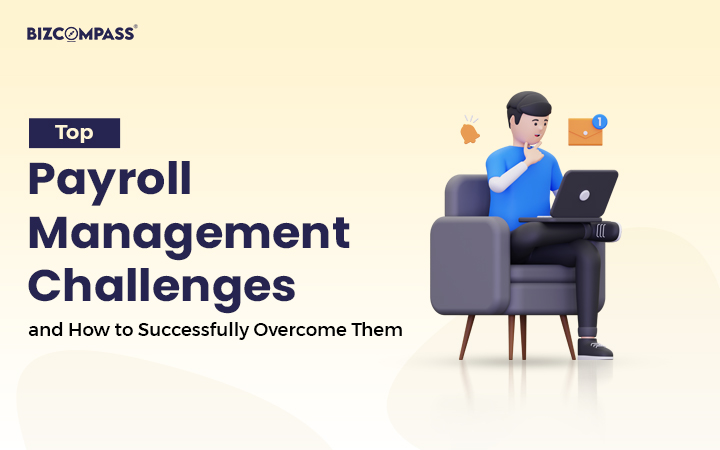
Payroll management refers to the process of administering and managing the financial aspects related to employee compensation within an organization. It encompasses tasks such as calculating wages, deducting taxes and benefits, issuing paychecks or direct deposits, and maintaining accurate records of employee earnings and deductions.
Efficient payroll management is crucial for several reasons. Firstly, it ensures that employees are compensated accurately and on time, contributing to their job satisfaction and morale.
This, in turn, can enhance employee retention and productivity levels within the organization. Secondly, accurate payroll management helps in compliance with various legal and regulatory requirements related to taxation, labor laws, and employee benefits.
Failing to comply with these regulations can result in penalties and legal issues for the organization. Additionally, effective payroll management plays a vital role in financial planning and budgeting by providing accurate data on labor costs and expenses.
Despite its importance, payroll management poses several challenges for organizations. One common challenge is the complexity of tax regulations and laws, which can be difficult to navigate and comply with accurately. Changes in tax laws, rates, and regulations further add to this complexity, requiring continuous monitoring and updates.
Another challenge is the need for accuracy and precision in calculations, as even minor errors can lead to discrepancies in employee compensation and potential legal issues.
Additionally, managing payroll for a diverse workforce with varying compensation structures, benefits, and deductions can be challenging, particularly for multinational organizations operating in different jurisdictions with diverse regulatory requirements.
Efficient payroll management is essential for ensuring accurate and timely compensation for employees, compliance with legal and regulatory requirements, and effective financial planning.
However, organizations often face challenges such as navigating complex tax regulations, ensuring accuracy in calculations, and managing diverse compensation structures. Overcoming these challenges requires robust systems, processes, and ongoing monitoring to ensure smooth payroll operations. Let’s explore this topic in detail to get a hold of it comprehensively.