Onboarding Software : Must have Benefits and Features

Human Resource Management Software (HRMS) has emerged as a powerful solution to streamline HR processes, increase efficiency, and optimize workforce management.

HRMS Intro

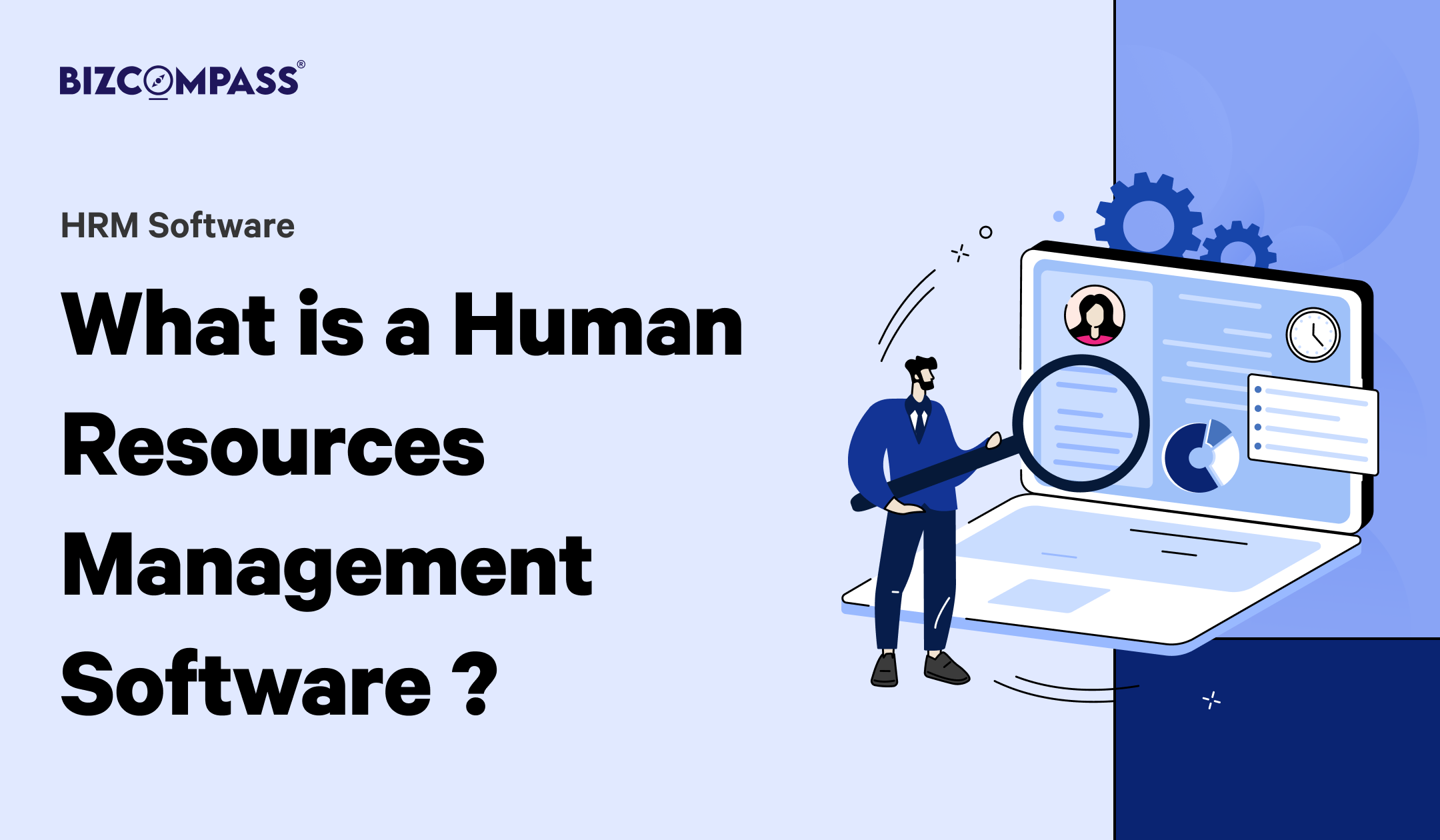
In layman terms, Human Resource Management Software (HRMS) is like a smart tool that helps businesses manage their employees more efficiently. It keeps track of employee information, helps with hiring new people, monitors how well everyone is doing, and even handles payroll tasks, all in one place. It is basically designed to simplify HR tasks and make things easier for organizations to take care of their teams.

It is said that “Modern problems require modern solutions.”

Managing Human Resource effectively is crucial for organizational success. With the evolution in business operations, Human Resource Management Software (HRMS) has emerged as a powerful solution to streamline HR processes, increase efficiency, and optimize workforce management.

Let’s start off by understanding what this “Human Resource Management Software” actually is.

People often tend to confuse HRMS and HRIS (Human Resource Information System). But there is a broad difference between the two. HRIS is a term that was used in the 1980s to describe computerized HR processes, and it was primarily concerned with maintaining electronic records of the employees.

HRMS, on the other hand, is a more elaborate & comprehensive system that covers the entire employee lifecycle. Simply put, Human Resource Management Software, often referred to as HRMS or HR software, is a digital solution designed specifically to automate and streamline various processes for the HR staff. It encompasses a wide range of functionalities, including (but not limited to) employee data management, payroll processing, benefits administration, recruitment and applicant tracking, performance management, time and attendance tracking, and training and development.
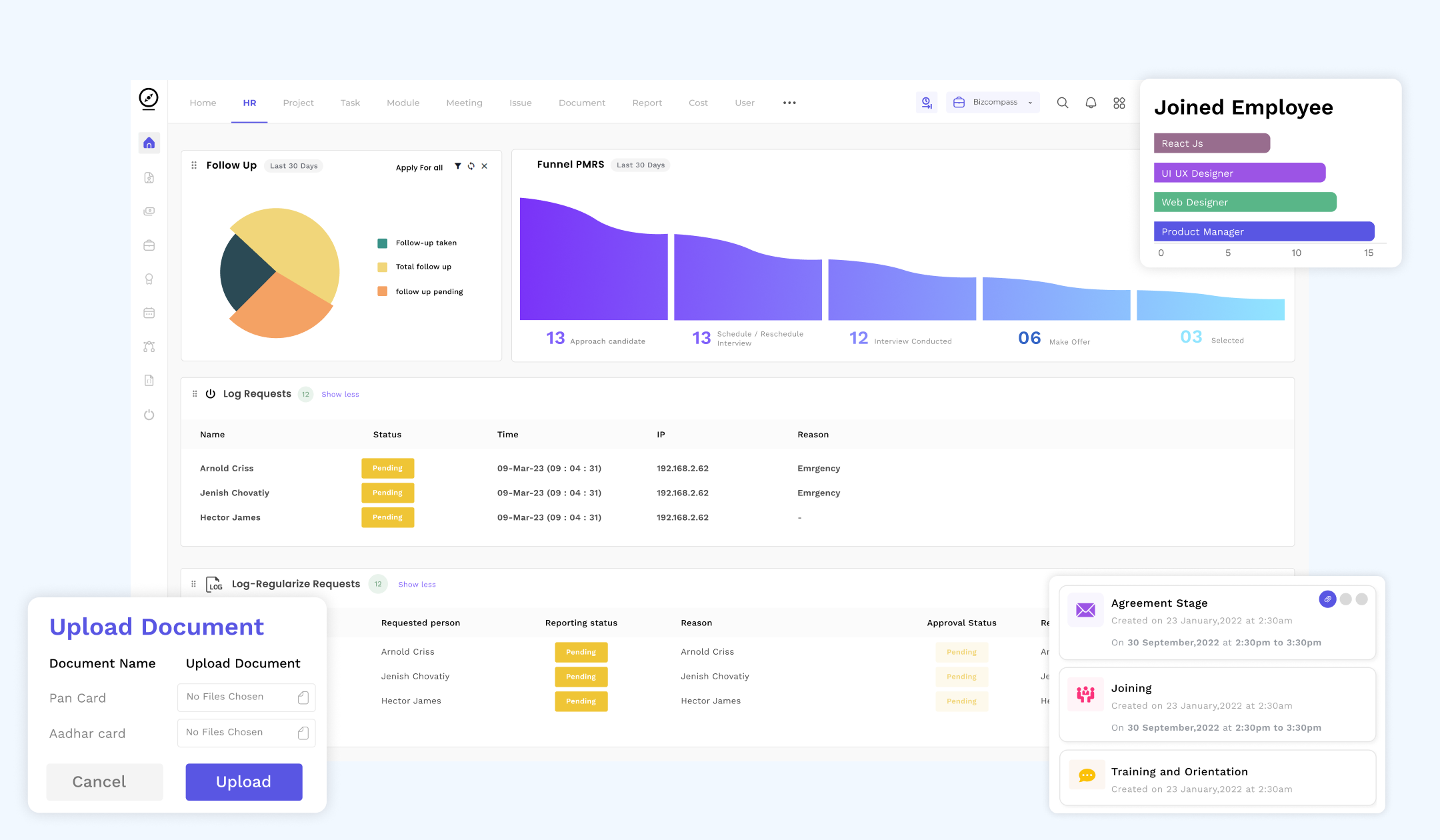
With a comprehensive array of features, HRMS optimizes HR processes, enhances efficiency, and enables data-driven decision-making. From core HR functionalities to performance management, talent acquisition, and more, these features can transform your HR practices and elevate your company's Human Resource management to new heights.

Recruitment and Onboarding
Human Resource Management Software facilitates the entire recruitment lifecycle, from job postings and applicant tracking to interview scheduling and candidate evaluation. It enables HR teams to efficiently manage job vacancies, track applications, and collaborate with hiring managers throughout the recruitment process. The software also simplifies and streamlines the employee onboarding procedure, making things sail smoothly for your HR Team as well as the new hires.

Employee Data Management
Human Resource Management Software provides a centralized database to store and manage employee information, including personal details, employment history, compensation data, and performance records. This enables HR professionals to access accurate and up-to-date employee data efficiently.

Payroll & Benefits Administration

With Human Resource Management Software, organizations can automate payroll calculations, tax deductions, and generate payslips, saving time and reducing the likelihood of errors. The software is designed to simplify complex payroll processes, while ensuring compliance with legal and regulatory requirements.

Performance Management

Human Resource Management Software also offers features to track employee performance, set goals, conduct performance evaluations, and provide feedback. It streamlines performance review cycles, encourages continuous feedback, and helps identify areas for employee growth and development. The software is equipped to manage rewards and recognition as well

Progress and Attendance Tracking

Human Resource Management Software automates time and attendance and task tracking, eliminating manual processes such as timesheets and punch cards. It enables employees to log their work hours accurately, tracks leaves and absences, and generates reports for payroll processing. The software also helps teams monitor, follow-up, and collaborate on tasks in real time.

With HRMS gaining popularity across a plethora of industries, the solution has also undergone some evolution. Currently, there are different types of HRMS available in the market, namely:

  1. Cloud-Based HRMS

  2. On-premises HRMS

  3. Integrated HRMS

  4. Industry-Specific HRMS

  5. Standalone HRMS Modules

  6. Mobile HRMS

  7. Open Source HRMS

Each of these products caters to specific business needs. Understanding these various types can help you choose the right HRMS that best suits your organization's requirements.

Curious to learn more about the numerous benefits of HRMS for businesses? Check out this space as we delve deeper into the advantages that this powerful software brings to organizations. Discover how Human Resource Management Software not only saves time and reduces administrative burdens but also enhances data accuracy, improves employee engagement, and facilitates strategic decision-making.

Of late, HRMS has become crucial for organizations to optimize their HR operations. By simplifying and automating routine HR tasks like payroll, attendance, and leave management, reducing errors and saving time, HRMS allows HR professionals to focus on strategic initiatives and employee engagement, boosting productivity.

HRMS centralizes employee data, providing quick access to essential information for better decision-making and employee development. It enhances communication through self-service portals, enabling employees to manage their HR activities and promoting transparency.

Moreover, HRMS offers robust reporting and analytics, providing data-driven insights for workforce planning and talent management making it an integral part of any organization’s HR operations