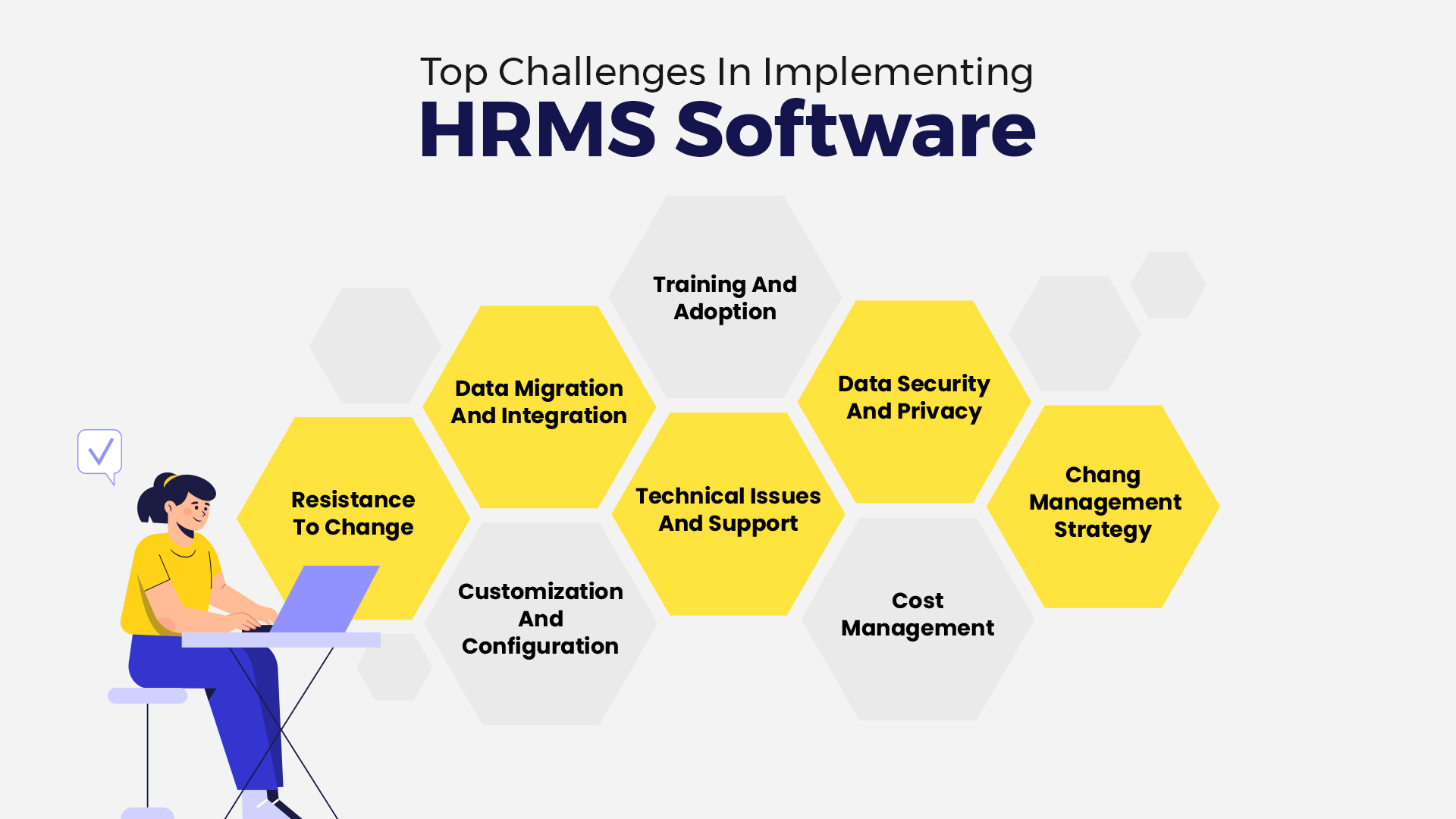
Overcoming HRMS implementation challenges requires a strategic approach. Prioritize comprehensive training, address technical issues promptly, and establish robust data security measures. Develop a well-balanced change management strategy, involving key stakeholders to ensure a smooth transition. Thoughtful customization, cost management, and a focus on long-term ROI contribute to successful implementation. Here are a few points that you should consider while implementing HRMS software.
Clear Leadership And Communication
Clear leadership and communication are pivotal in successful HRMS implementation. Appointing a dedicated implementation leader provides a focal point for decision-making and coordination.
This leader guides the project, ensuring a streamlined and effective process. Maintaining open communication channels with employees is equally crucial.
Transparent communication about the implementation process, its benefits, and addressing concerns creates a culture of trust and engagement. Regular updates and feedback loops foster a collaborative atmosphere, ensuring that employees are informed and involved throughout the implementation journey, contributing to a successful HRMS integration.
Thorough Planning And Preparation
Conducting a detailed needs assessment before implementation ensures a deep understanding of organizational requirements. This informs the creation of a comprehensive project plan, complete with timelines and milestones. Clear objectives, resource allocation, and risk assessments are integral components of this plan. By establishing a roadmap grounded in organizational needs, potential challenges can be anticipated and addressed proactively.
This meticulous approach sets the stage for a smoother implementation process, aligning the HRMS with specific business needs and maximizing its impact on efficiency and workforce.
Selecting The Right Vendor
Evaluating various software providers involves a meticulous assessment of their features, reputation, and customer reviews. Compatibility with the organization's specific needs is a critical criterion, ensuring that the chosen HRMS aligns with business requirements and goals.
Scrutinizing vendor support, scalability, and integration capabilities contributes to a well-informed decision. A careful selection process enhances the likelihood of a seamless implementation, setting the foundation for a productive partnership with the HRMS provider.
Data Cleanup And Migration Strategy
A robust data cleanup and migration strategy is imperative. Cleaning and organizing existing data before migration mitigates the risk of errors and ensures data accuracy.
Piloting data migration in a controlled environment allows identification and resolution of potential issues, enhancing the overall migration process.
Careful mapping of data fields and validation at each stage contribute to a smooth transition. By prioritizing data integrity and employing a methodical migration approach, organizations can seamlessly transfer information to the new HRMS, minimizing disruptions and optimizing the system's efficiency for effective workforce management.
Balancing Customization And Default Features
Prioritizing customization to align with critical HR processes ensures tailored functionality. However, caution must be exercised to avoid overcomplication that could hinder user adoption.
Striking this balance involves a thoughtful assessment of unique organizational needs against the software's default capabilities. This approach optimizes system performance, enhances user experiences, and encourages seamless adoption. By aligning customization with essential processes without overwhelming users, organizations can leverage the full potential of their HRMS while ensuring a user-friendly and efficient workforce management solution.
Comprehensive Training Program
Tailoring training sessions for diverse user groups ensures relevance and effectiveness. Addressing the distinct needs of administrators, managers, and end-users fosters system understanding and proficiency. Furthermore, offering ongoing training adapts to evolving needs, updates, and new features. This commitment to continuous learning supports a culture of proficiency and confidence, maximizing the benefits of the HRMS.
A well-designed training program not only accelerates the initial adoption process but also cultivates a skilled and adaptable user base, contributing to the long-term success of the HRMS.
Establishing Technical Support
Collaborating with the software vendor ensures access to specialized technical assistance, resolving complex issues efficiently. Simultaneously, setting up an internal support team enhances immediate troubleshooting for day-to-day challenges.
This dual approach provides a comprehensive support framework, combining external expertise with an internal team familiar with organizational intricacies. Regular communication channels, documentation, and training for end-users further empower the support system.
By prioritizing technical support, organizations fortify the reliability of their HRMS, ensuring uninterrupted functionality and fostering confidence among users and stakeholders.
Security Measures And Compliance
Implementing robust encryption and access controls safeguards sensitive data, preventing unauthorized access. Adhering to industry regulations and compliance standards ensures the HRMS aligns with legal requirements and industry best practices. This proactive approach not only protects confidential information but also instills trust among users and stakeholders.
Regular security audits and updates further strengthen the system's resilience against evolving threats. By prioritizing data protection and compliance, organizations establish a secure foundation for their HRMS, mitigating risks and bolstering the overall integrity.
Monitoring And Continuous Improvement
Regularly evaluating software performance and collecting user feedback provide insights into potential issues and areas for enhancement. This iterative approach allows organizations to adapt and improve the system based on user experiences and evolving needs.
Proactive monitoring helps identify and address issues promptly, ensuring optimal functionality. By fostering a culture of continuous improvement, organizations not only maximize the benefits of their HRMS but also create an adaptive environment that aligns with evolving business requirements, technological advancements, and user expectations, ultimately contributing to the long-term success of the HRMS implementation.